RELEASE NOTES 0.15.8

This time, we mostly focused on improving the quality of our @bitbybit-dev/occt layer. Offsets were extended to support adding a face for guidance.

This time, we mostly focused on improving the quality of our @bitbybit-dev/occt layer. Offsets were extended to support adding a face for guidance.

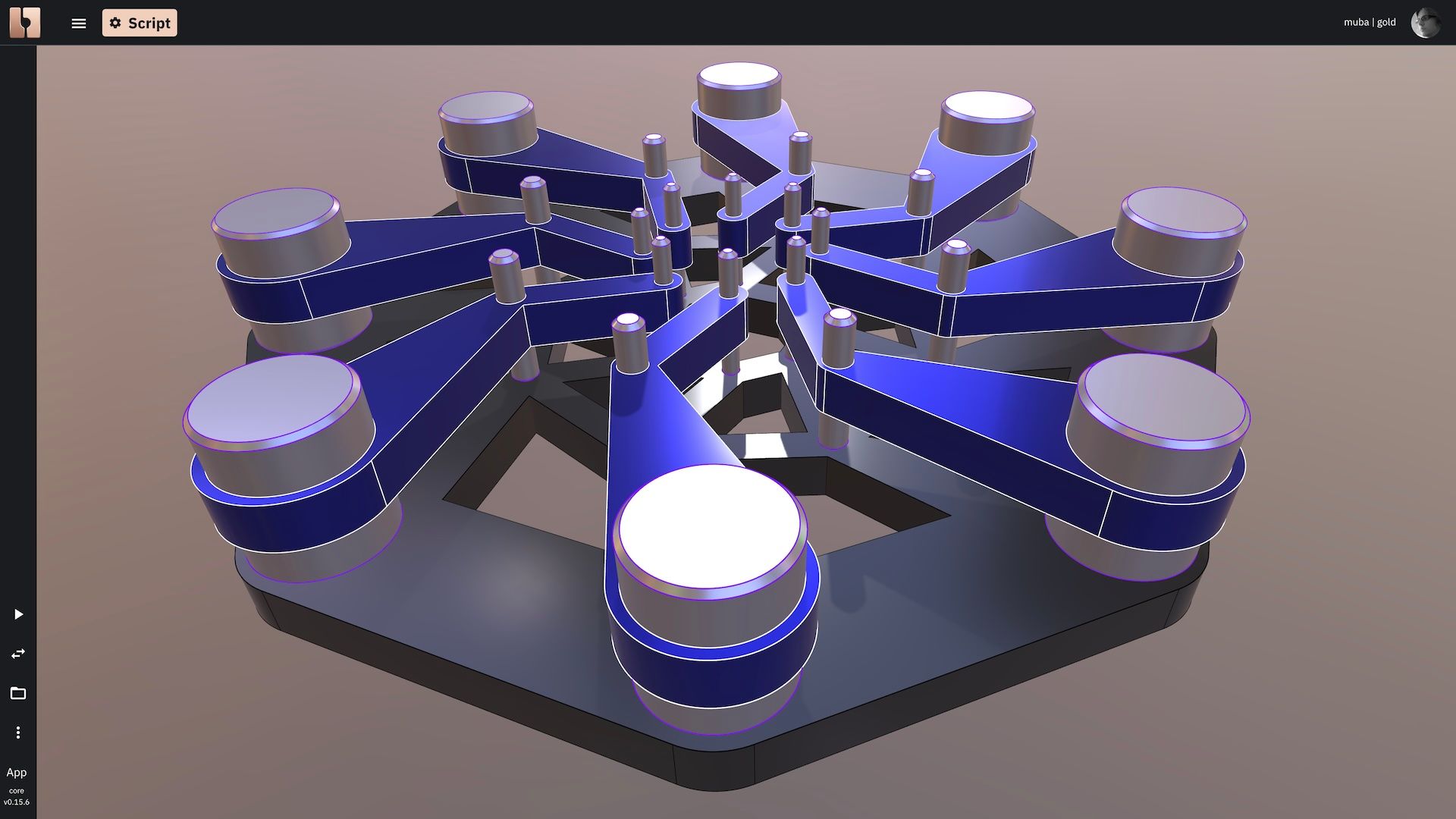
This release, version 0.15.7, continues to build upon the geometric capabilities introduced in recent updates. This time, we've implemented a couple of powerful new open-source methods for creating circular edges based on tangential constraints involving other circles or points. Additionally, this release includes some important bug fixes and improvements to our OCCT input classes.

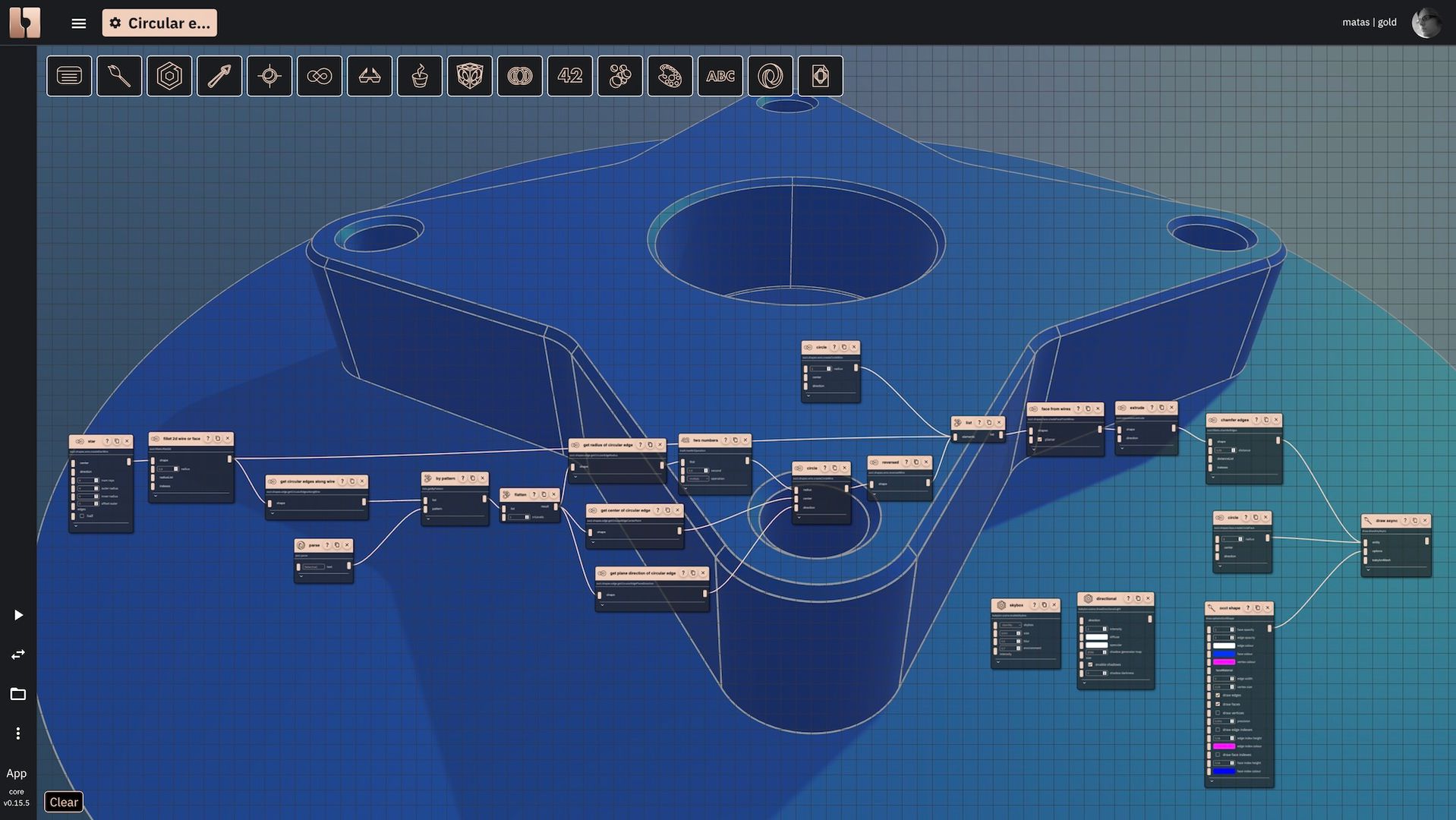
This release, version 0.15.6, builds upon the enhancements introduced in our previous update. This time, we've implemented a few powerful new open-source methods focused on creating complex wires and faces from two or more circles. These additions are particularly useful when designing intricate mechanical parts and other geometries involving circular features.

This release, version 0.15.5, introduces a significant number of new features designed to make working with circles, arcs, and OCCT vertex shapes easier and more powerful. All algorithms included in this update are open-sourced under the MIT license and are available in our NPM packages.

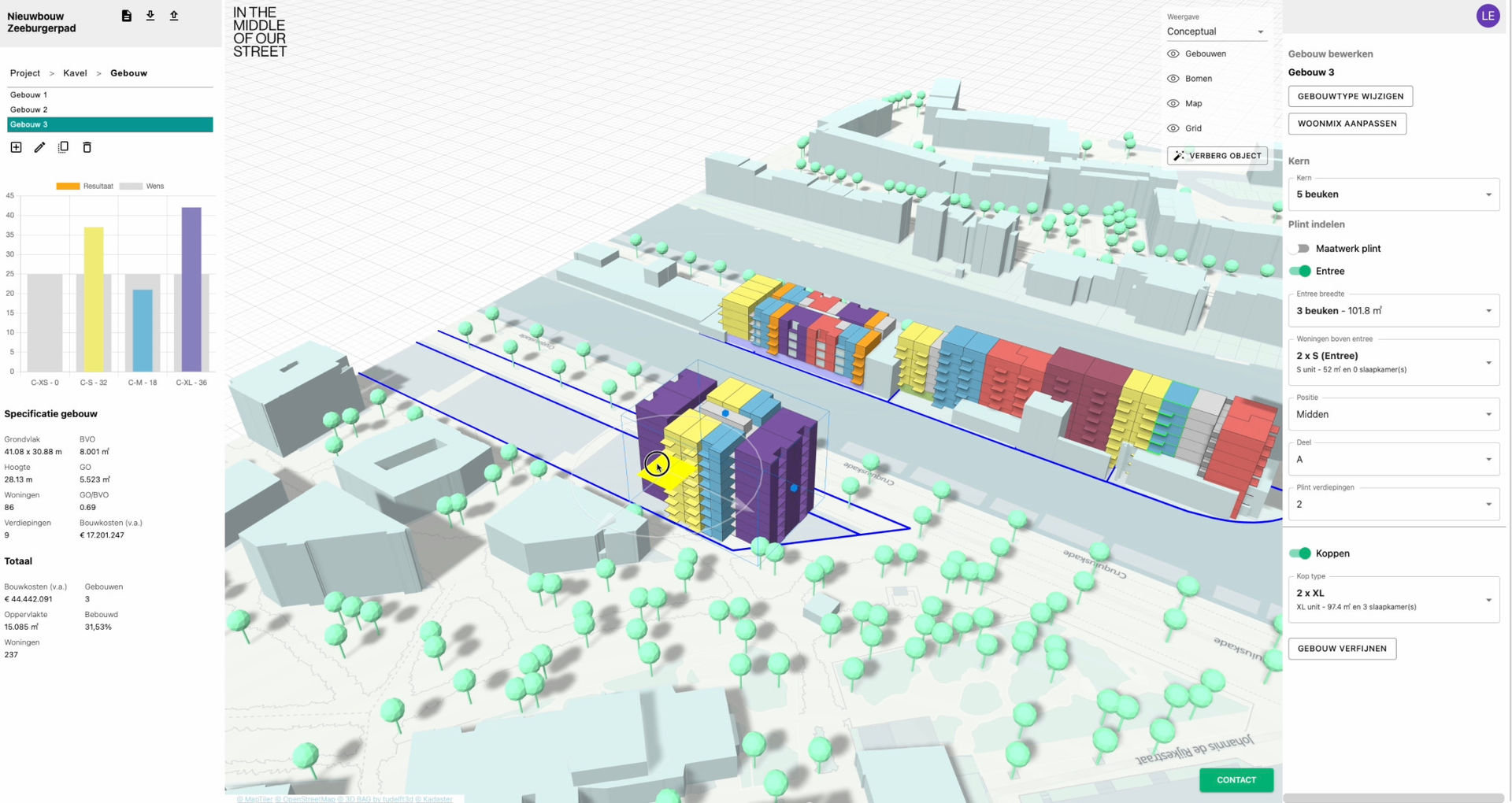
We had the pleasure of collaborating with Leon Spikker to develop an easy-to-use modular housing configurator for our valued Dutch client, 'In The Middle Of Our Street' BV (MOOS). This new innovative tool simplifies the exploration of countless configuration options provided by MOOS housing modules. Our team programmed a user-friendly web application that enables users to effortlessly select different parameters and view real-time 3D model and data changes. We're thrilled to have played a part in bringing this project to life!

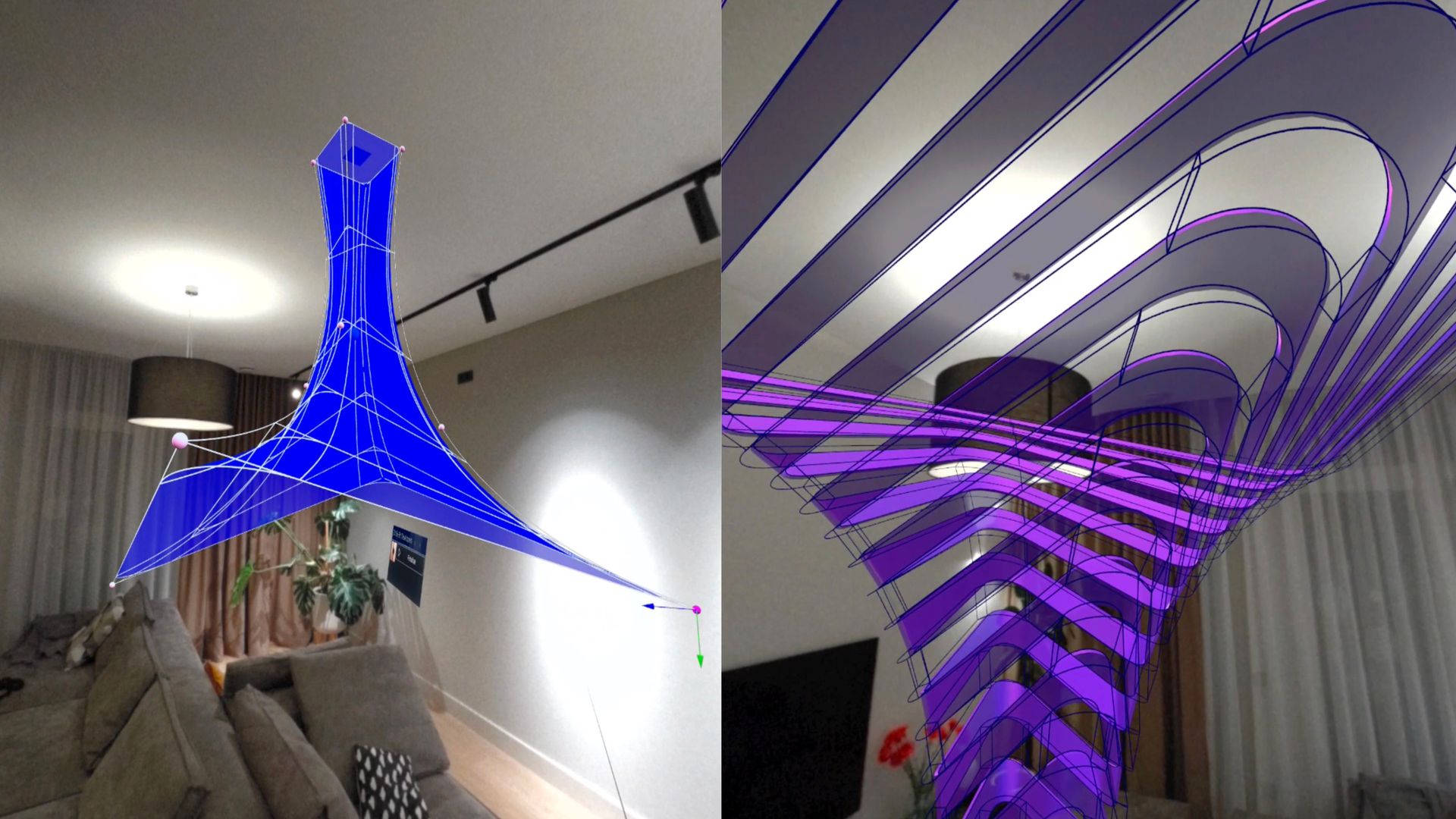
Mixed reality is an exciting new frontier for computer-aided design (CAD) applications, and we are thrilled to share our latest parametric experiment with you. With the help of Meta Quest Pro and WebXR, we have created an experimental CAD application that allows users to build designs directly in their surroundings.

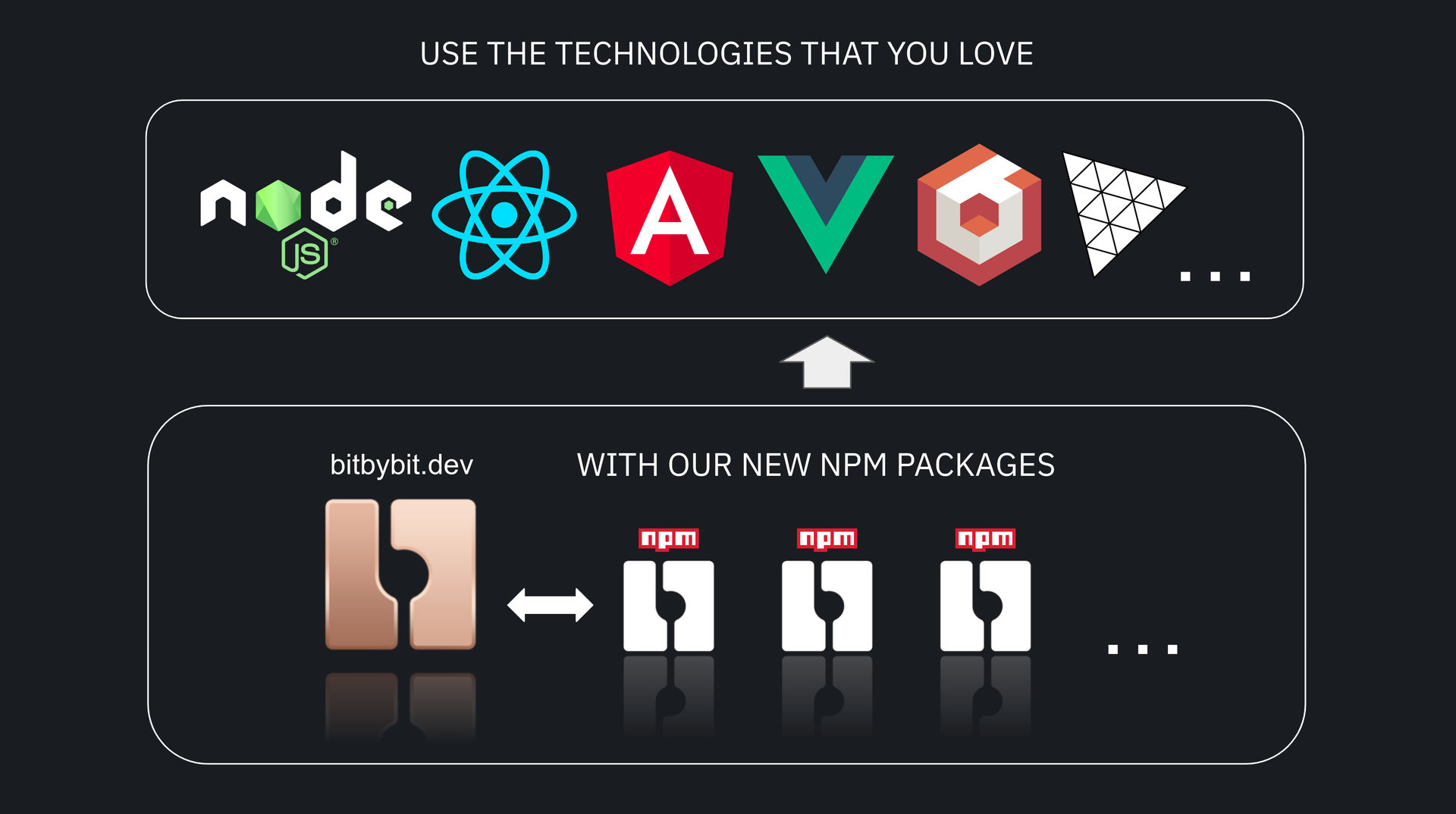
In our recent platform update we split our codebase into reusable packages and published them under MIT License for everyone to use. This article will introduce you to the packages and show you how you can use them to create your own 3D applications.

Open-source CAD software and AI have the potential to revolutionize the field by providing a platform for collaboration and innovation. Closed-source ecosystems may struggle to keep up due to proprietary restrictions and a focus on commercial interests over innovation.

In this blog post we explain how our cloud services work and how you could benefit from them. If you are not interested in persisting your project on our database and if you do not want to share your projects with others, you might as well use our free app that works with files.